
How to Start an Art Collection on a Budget
Learn how to start an art collection on a budget, from affordable prints and emerging artists to fairs, framing costs, and smart buying tips.
How to Start an Art Collection on a Budget
You don't need hundreds of thousands of dollars to start collecting art. What you need is a plan. A lot of collectors build a strong first collection with pieces that cost somewhere between $500 and $10,000. And that includes prints, small originals, or early work from artists who haven't been discovered yet.
Some spend under $5,000 upfront on an entire first collection. Others add one piece a year and let it grow slowly. Either approach works. What separates a good collection from one that’s all over the place is intention, not just the budget.
Here's where to look, how much you can expect to spend, and everything you need to know about how to start an art collection on a budget.
1. Set a Budget Before You Start Looking
Decide on a total amount for your first year and a hard cap per piece. You could set a budget of, say, $10,000 total with a $2,000 ceiling per individual work. This allows you to filter out anything you can't justify and forces real comparison between pieces.
Entry-level original paintings by emerging artists often cost around $200 to $2,500. You can get Tilly’s Psychedelic Rainbow Frog painting for only $375.
Budget planning list for starting an art collection
2. Start With Prints and Limited Editions
Prints let you own work by artists you admire without paying original-piece prices. Open editions can cost about $20 to $150. Numbered limited editions, signed and capped at a set run, sell for $100 to $400.
The print sections on Saatchi Art and Society6 cover a wide range of styles and price points, and both list edition sizes up front. However, platforms like that usually add their own commissions to the prices.
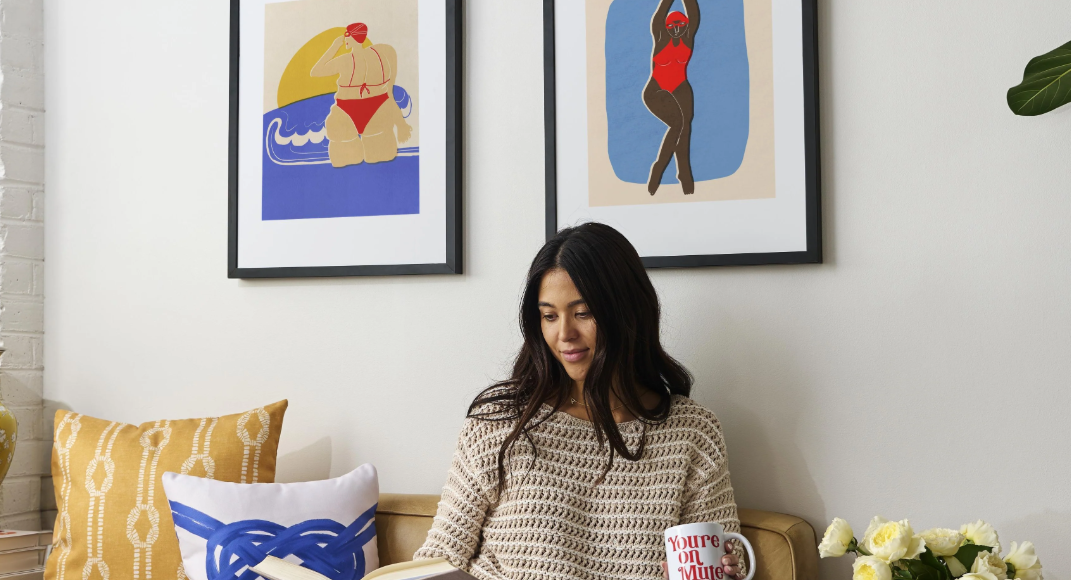
affordable limited edition art prints for a budget collection
3. Buy Directly From Art School Degree Shows
BFA and MFA graduate exhibitions sell work straight from artists at the very start of their careers, usually for $50 to $500. Prices only go up once an artist gains gallery representation, so buying at a degree show means buying at the lowest price point that the artist's work will ever sell for. Search your local art school's website for degree show dates each spring.
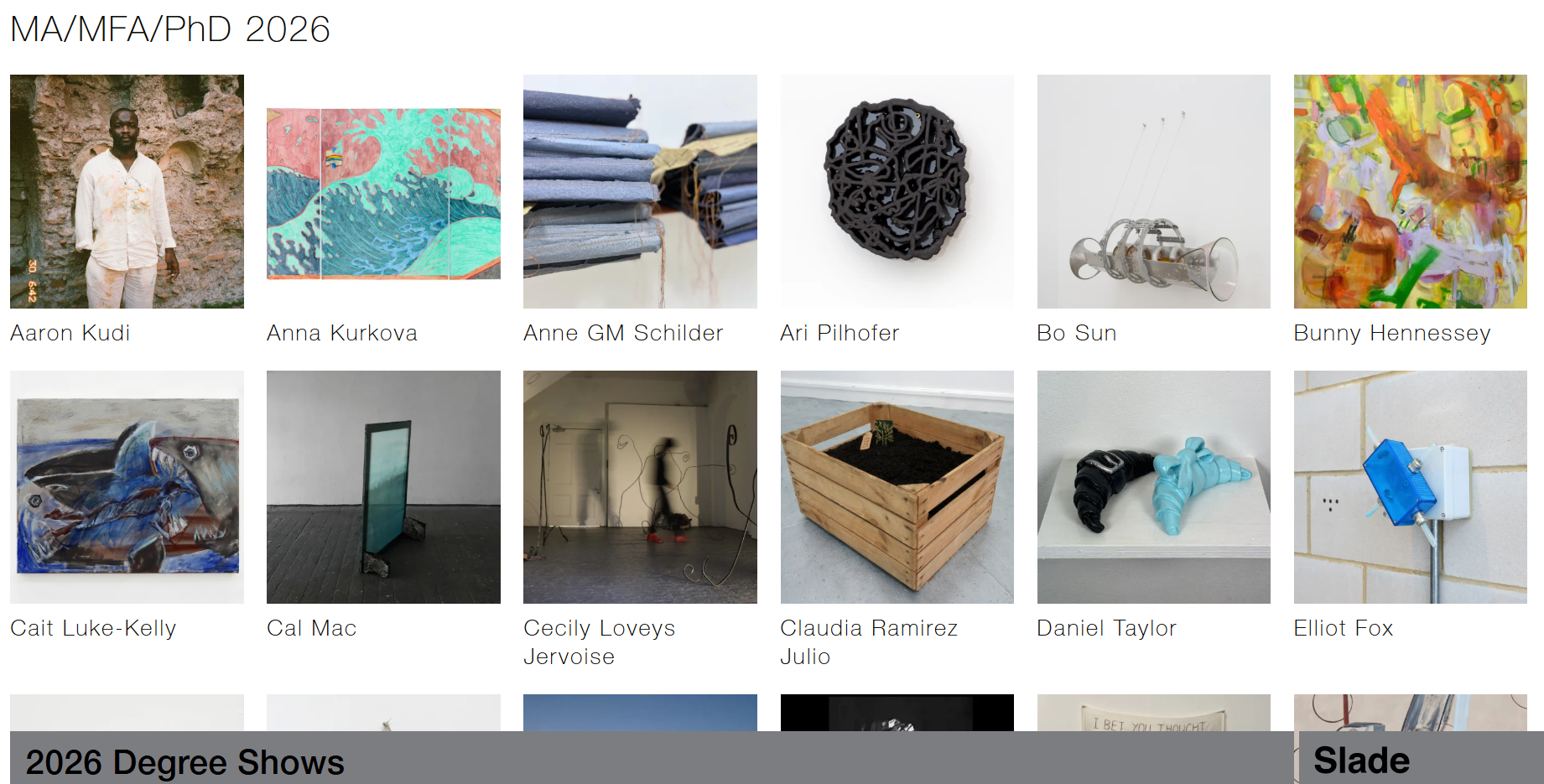
UCL UK art school degree show
4. Browse Curated Online Marketplaces
Online markets like Artsy let you filter by price, size, and medium. Both platforms vet artists and verify authenticity before work goes live, which gives you more protection than buying from an unverified seller.
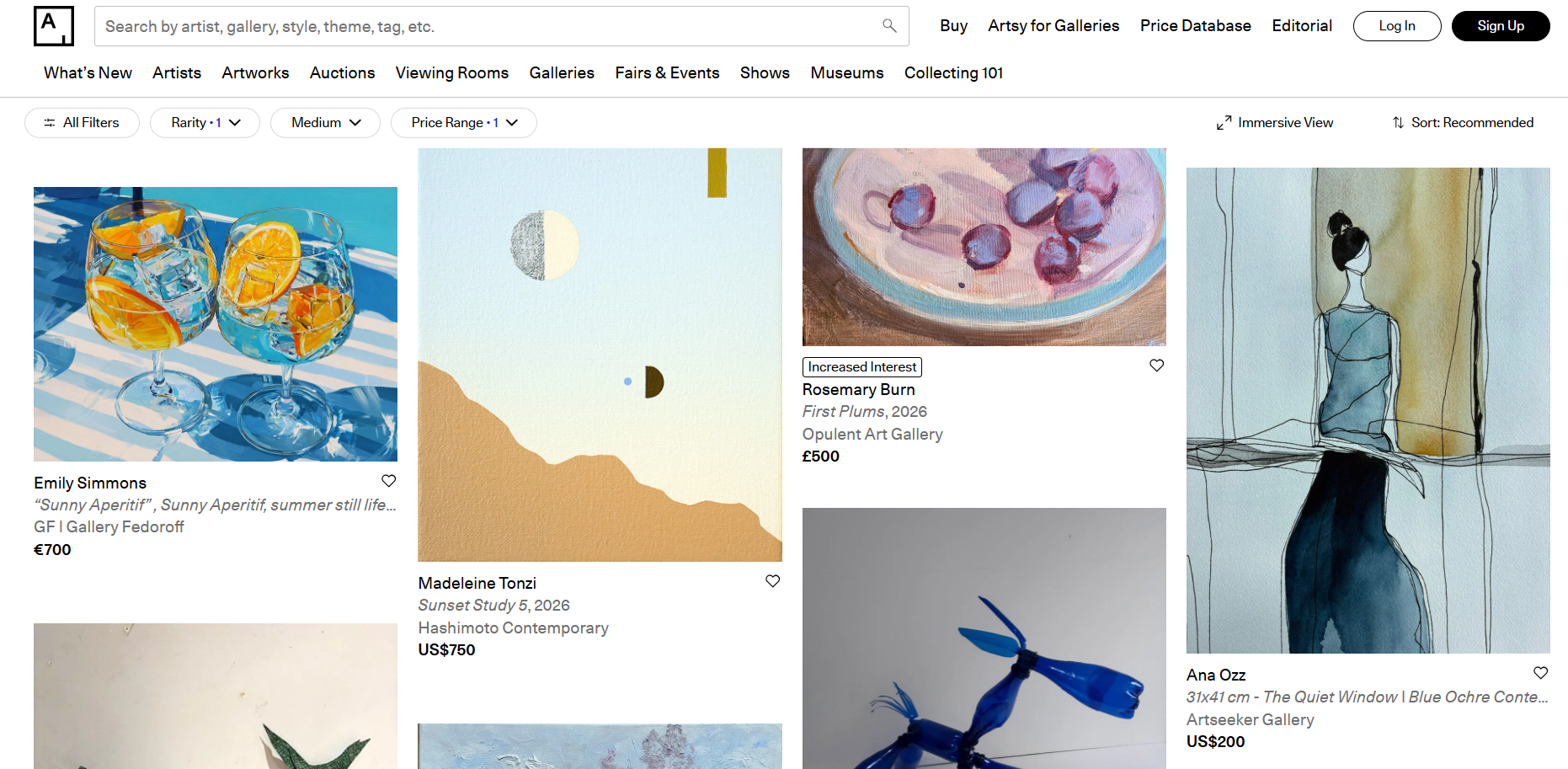
Artsy online art marketplace for budget original art
5. Support Local Artists and Independent Studios
Local art costs less than gallery-represented work because there's no dealer markup between you and the artist. Open studio events, small independent galleries, and local art markets price original pieces between $100 and $1000.
Buying local also means you can meet the artist, ask about their process, and build a relationship that often leads to better prices on future pieces.
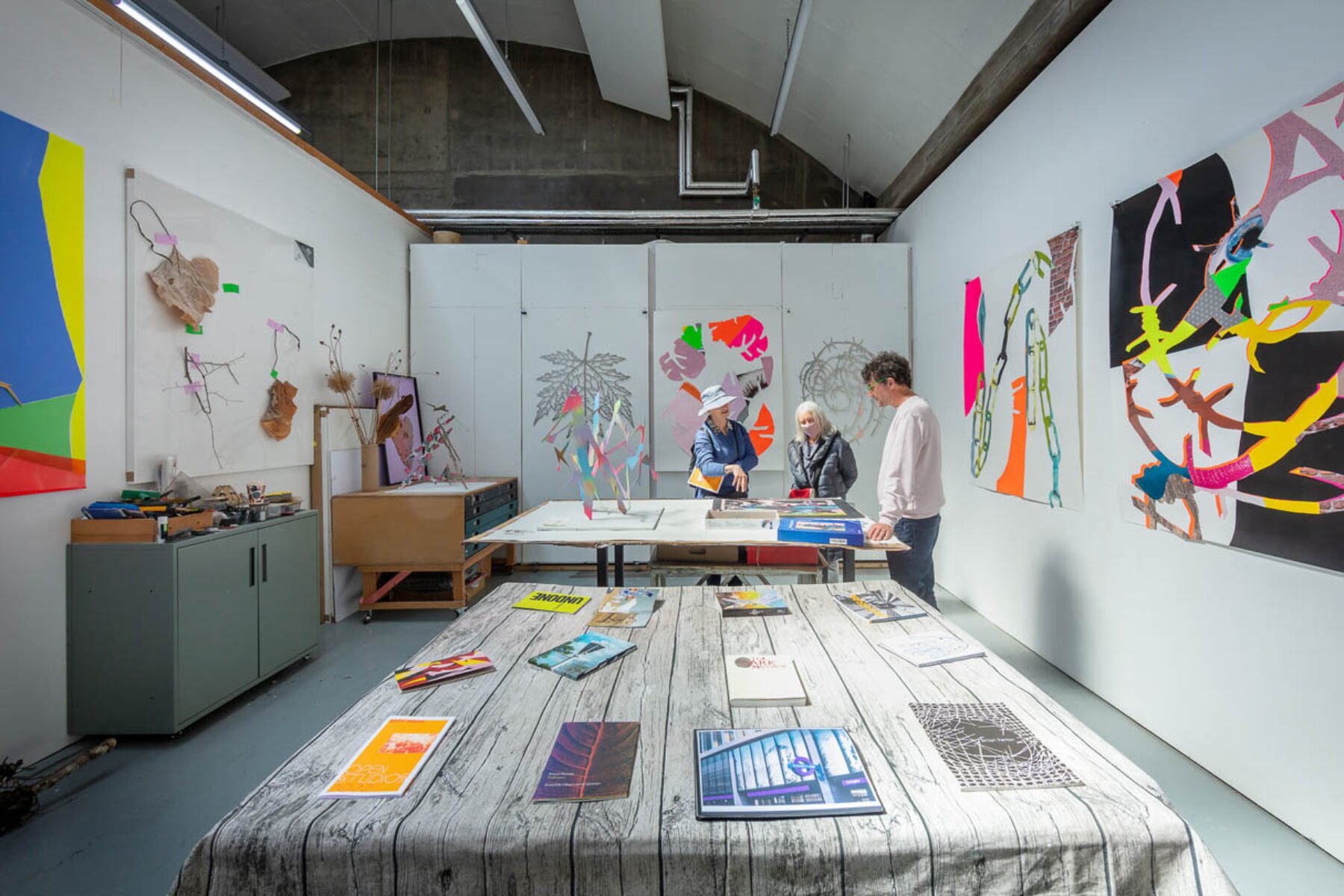
Collecting local art at an open studio event on a budget
6. Follow Artists and Buy Directly on Social Media or Websites
Many artists sell straight from Instagram, cutting out gallery commissions of 30 to 50 percent. Buying direct usually means lower prices plus the option to commission custom work or arrange a payment plan directly with the artist. You can contact Tilly directly and purchase art you love without breaking your budget.
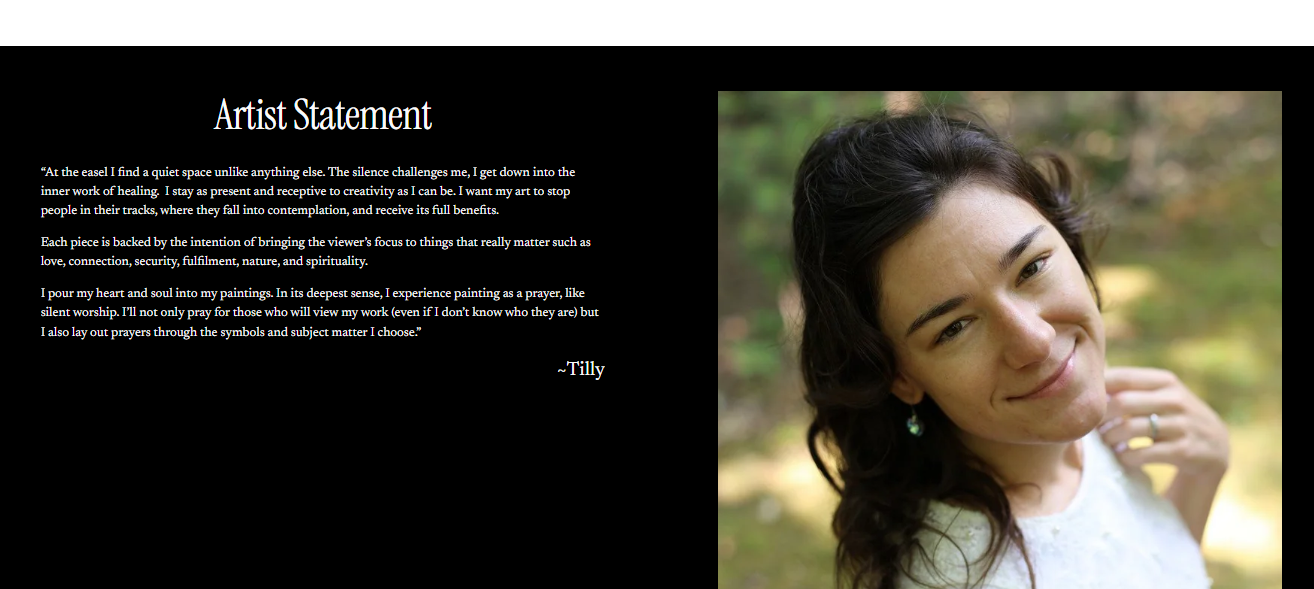
An artist's webpage with artwork for sale
7. Visit Affordable Art Fairs
Fairs like The Other Art Fair, presented by Saatchi Art, sell original work directly from independent artists at prices between $100 and $10,000, so you can compare dozens of artists in one room with no hidden costs. Nothing teaches you what your budget actually buys faster than an afternoon walking a fair floor.
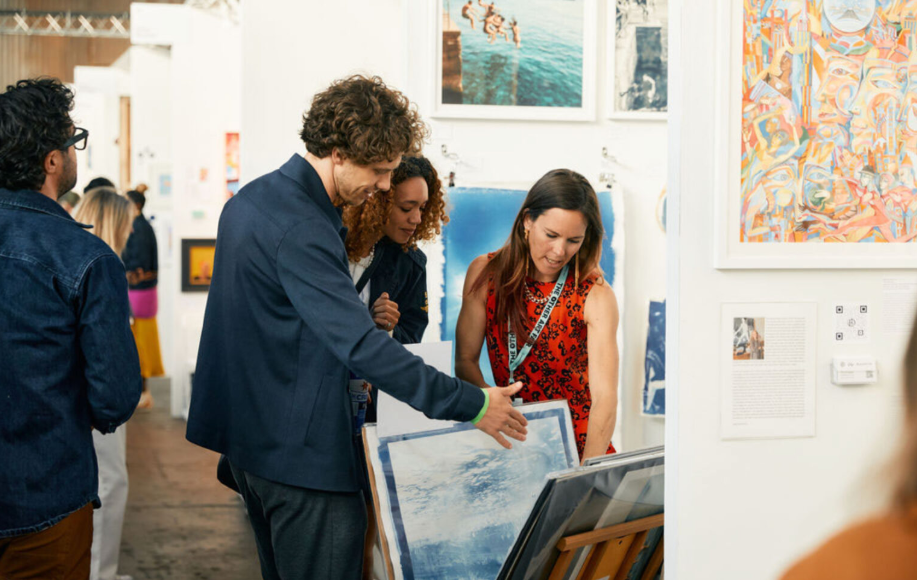
Visitors browsing artwork booths at an art fair
8. Budget for Framing, Shipping, and Insurance
The sticker price isn’t always the final cost. Framing typically adds $50 to $300, and shipping can run $20 to $100 depending on size. Higher-value pieces may need separate insurance coverage. Add 15-20% to a piece's price before deciding what you can actually afford.
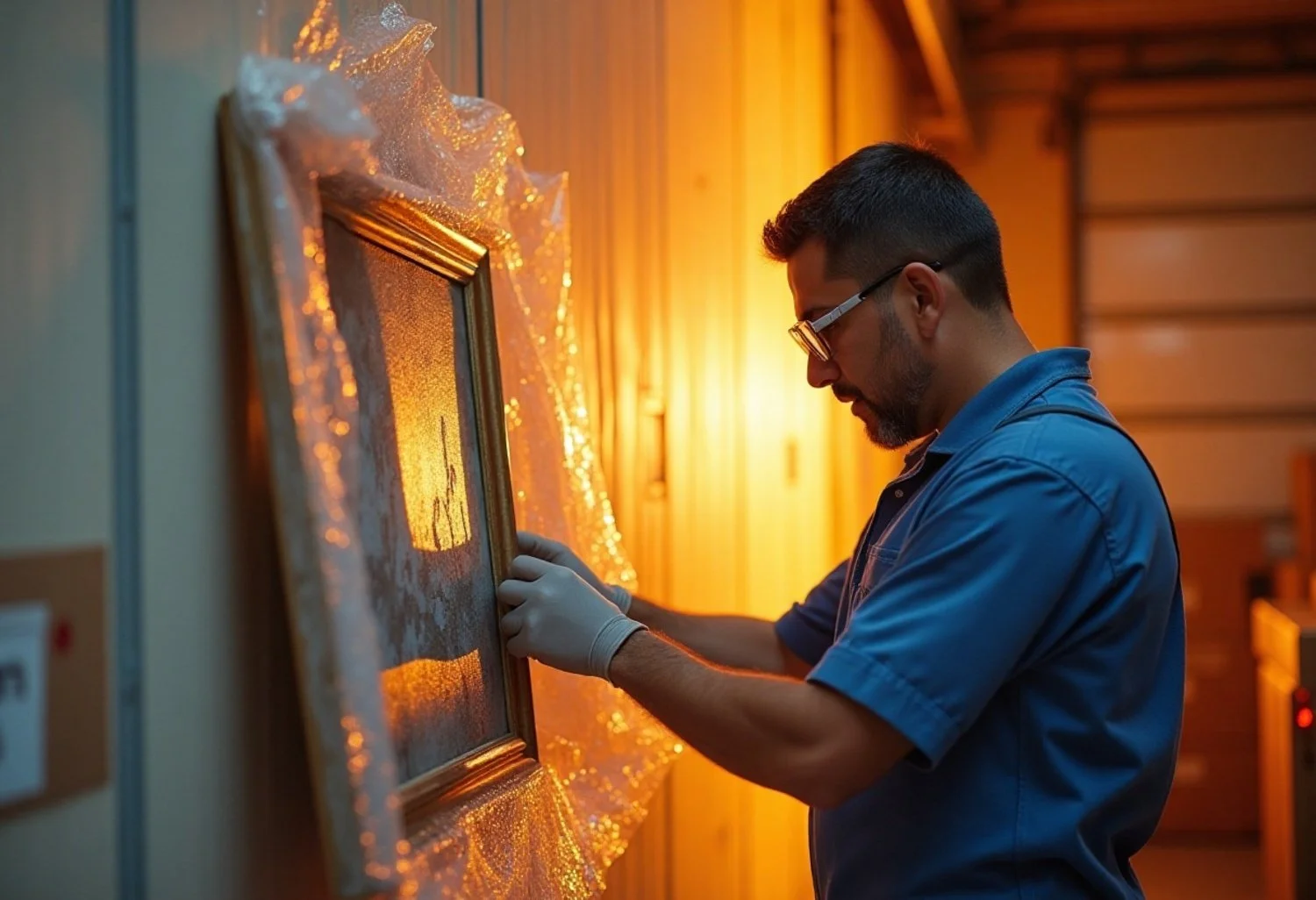
A framed painting being wrapped for shipping
9. Buy What You Love First
Most art doesn't appreciate in value, especially early in an artist's career. Buy pieces you actually appreciate, not just pieces you hope will sell for more later. A collection built on genuine interest holds up better over time than one built around gambling on resale value, and it's the only kind of collecting you'll still enjoy in 10 years. You can find pieces about any of your interests, such as the mind, senses, or nature.
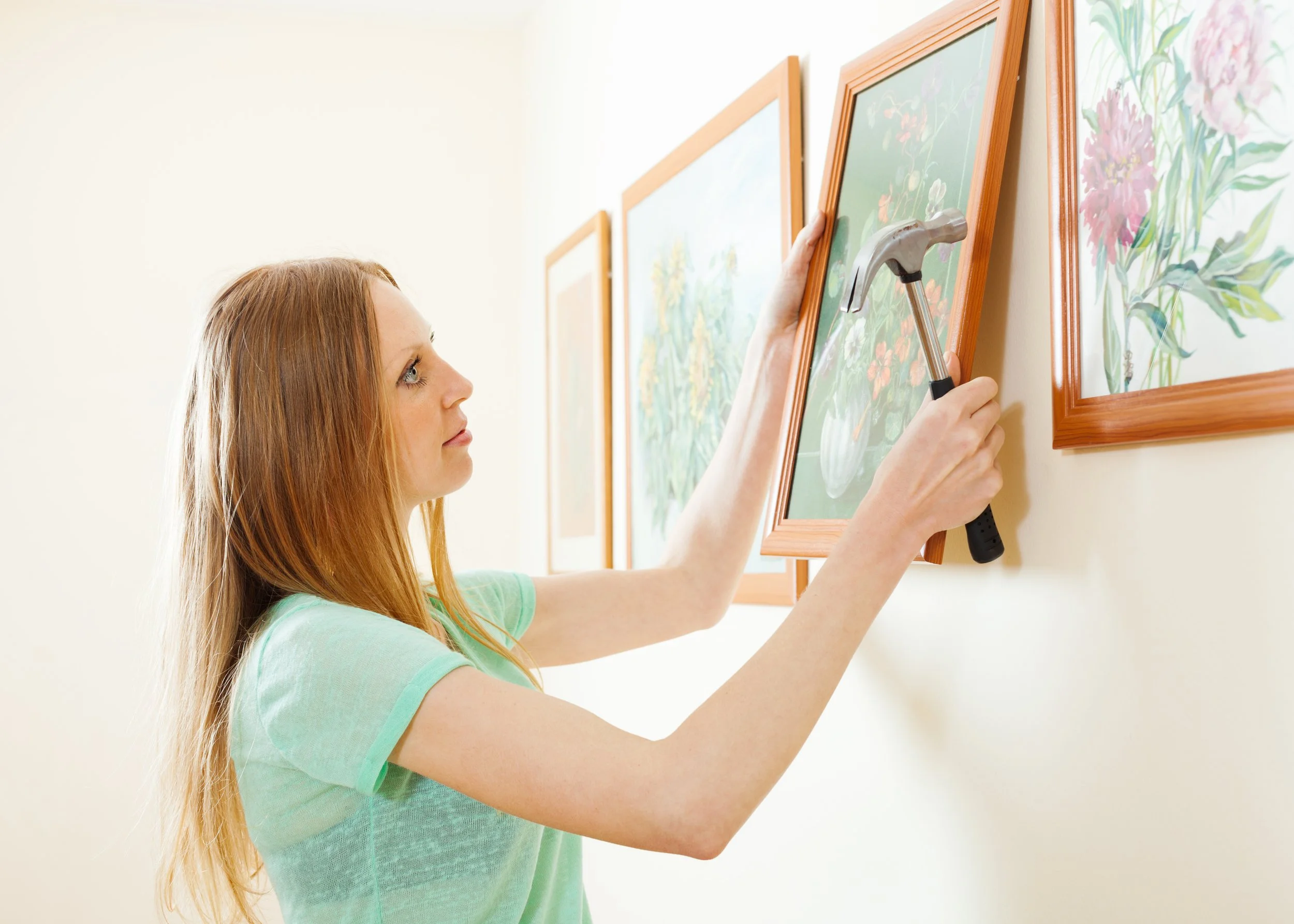
Hanging a newly collected art piece at home
Bottom Line
Collecting art on a budget is a lot easier when you have a plan. You don't need a five-figure budget or a background in art history to start collecting. Even one piece from an independent visionary artist is a collection, and it's a better starting point than waiting until you can afford a gallery piece. Set your budget, explore a mix of prints, local shows, and online marketplaces, and add pieces as you find work that moves you. The collection builds itself from there.